
A Dramatic Writing of…
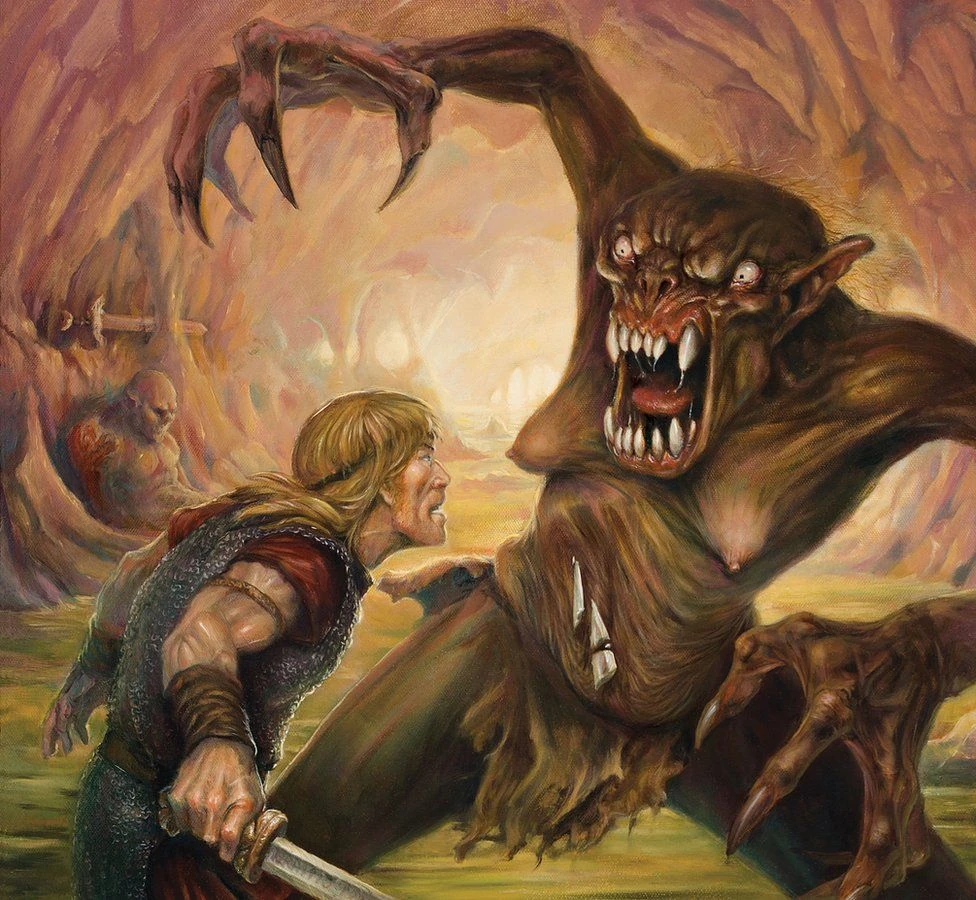
In a dark room, lit only through the faint glow of a pictureless television, our hero approaches what he believes the climax of his journey. He’s given up all of his worldly possessions to make it here, even sacrificing the shirt off his back. What could he be hoping to accomplish? That’s between him and the Lord up above. All we can see is his sheer determination to overcome all obstacles before him. The choices he had made to reach here had been tough, more difficult than anything he could of possibly imagined beforehand. Noticing a childlike glimmer in our hero’s eye, the whore of Babylon emerges from the darkness and speaks:
“You Stupid” hisses the Satan, infecting the mind of our young hero. Hell has versed herself well on the follies of youth, knowing to directly challenge their intelligence. A statement as simple as ‘you stupid’ is all that’s needed to rattle the mind and throw our hero off balance.
The hero, recognizing and internalizing the threat he has been presented, shudders, briefly pausing. ‘Was this journey worth it?’ The thought beckons from our hero’s mind. Two words and all that has happened in the hero’s life up to this point fades like a distant memory, his entire world becoming the prey of the demon. How does he respond? Does he accept Hell’s challenge? Does he move on, ignoring the temptations of the whore? If he resists, he could simply continue on and finish his journey. ‘The voice of the darkness does not require a response, move on and ignore it’ repeatedly pleads a tiny voice in the back of the hero’s mind. If the hero could assuage his fears and hesitation and simply focus on this inner voice, he might very well escape unharmed, but fickle is the mind of youth; the roaring need to prove oneself deafens out all sound reason. ‘The Satan’s direct challenge requires a response, to ignore her would be admitting she is right. I can not allow Babylon to believe such falsehoods.’ Believing in the necessity to respond to all challenges, the youth calls back out to the Darkness:
“No I’m not,” claims the hero, gaining a surge of confidence, wholeheartedly believing in his own statement. His resolve to challenge and defeat this demon solidifies, becoming hard as Peter’s rock. The hero will stand up and fight against evil in all cases. So what if his journey does not require him to close the gates of hell, it is his duty to do so. If he so willingly runs away from Hell’s challenge, who will be left to stand up for justice in this world? Viewing himself as being in the desert for 40 days and 40 nights, he fights to resist the Satan’s temptation.
Unbeknownst to our young hero, he is no Messiah fighting a devil’s temptation. Upon his response to the challenge, he has already fallen for Babylon’s trap. He gladly took the fruit thinking it was required to thwart evil, not knowing that the fruit was the evil. The Satan had all but won already, the hero’s hubris had been too strong to resist temptation. To accept Hell’s challenge is to admit her credibility, and to give Hell credibility is to give her power. And the power of this hellspawn is much greater than any our hero had ever encountered. Ensuring the win, the whore issues her ultimate challenge:
“What’s nine plus ten?” roars Babylon, taking on the fury of a cyclone. Our hero is not strong enough to remain standing against this storm, and his confidence is uprooted. His arms start swaying like branches in the wind in a feeble attempt to steady himself. What was momentarily an air of confidence has blown away, being replaced with a deep, dreading fear. ‘How is such power even possible? How could I possibly have imagined standing up to this? What trickery a devil employs!’ The hero’s youthful hope has turned against him. The young’s naivety and need to prove oneself against all challengers has become his undoing; the only cure to his current plight would require the wisdom of an elder: one who is experienced in thwarting the whims of a Satan. If the young hero were to run now, perhaps he could get away and live to see another day. Maybe he could still finish his journey and triumph in his quest, even if his soul has been tainted. This only choice to live is to back-down, but to back-down would be to admit defeat. Can the hero accept losing? His hubris says no, even if defeat is almost certain, it is more prideful to die on one’s feet than live on their knees (little does the hero know that he’s already on his knees). Making up his mind to forgo all caution and reason, the hero seals his fate and accepts Babylon’s challenge, but how can he respond? Such a question he’s been posed is near impossible to answer. While continuing to sway in the Satan’s cyclone, he thinks over the countless choices he could provide. Taking several seconds to make up his mind, he feels that time is running out. The longer he delays the worse his inevitable defeat. Eventually deciding on an answer, the hero responds with a feeble, cracking voice:
“21?”
Incorrect. The devil has won, the child’s soul and body has been forfeit to hell. And how pleased this whore of Babylon is with herself; she simply exposed her bare breast and the youth instinctively latched on to suckle. Oh how easy it had been. The folly of youth is such a joy to take advantage of. To engage with her is to lose, and how simple it is to trick a child into an unwinnable battle. Compared to all of the other children she has captured, this one had been particularly prideful. Normally, more goading would be required to fall for temptation, but this one was so willing. She only needed present the smallest challenge and the child folded. His hubris was especially strong, like that of a hero who had never experienced a true challenge. As if every step of the journey had been handed to him with the only true options presented having an answer that is clearly correct; a challenge that accustoms the mind to assume the right choice is always obvious. The easy victory assured, the demon could not help but twist the knife, reiterating to the child:
“You Stupid.”